
Smoky Black Bean and Roasted Sweet Potato Harvest Chili
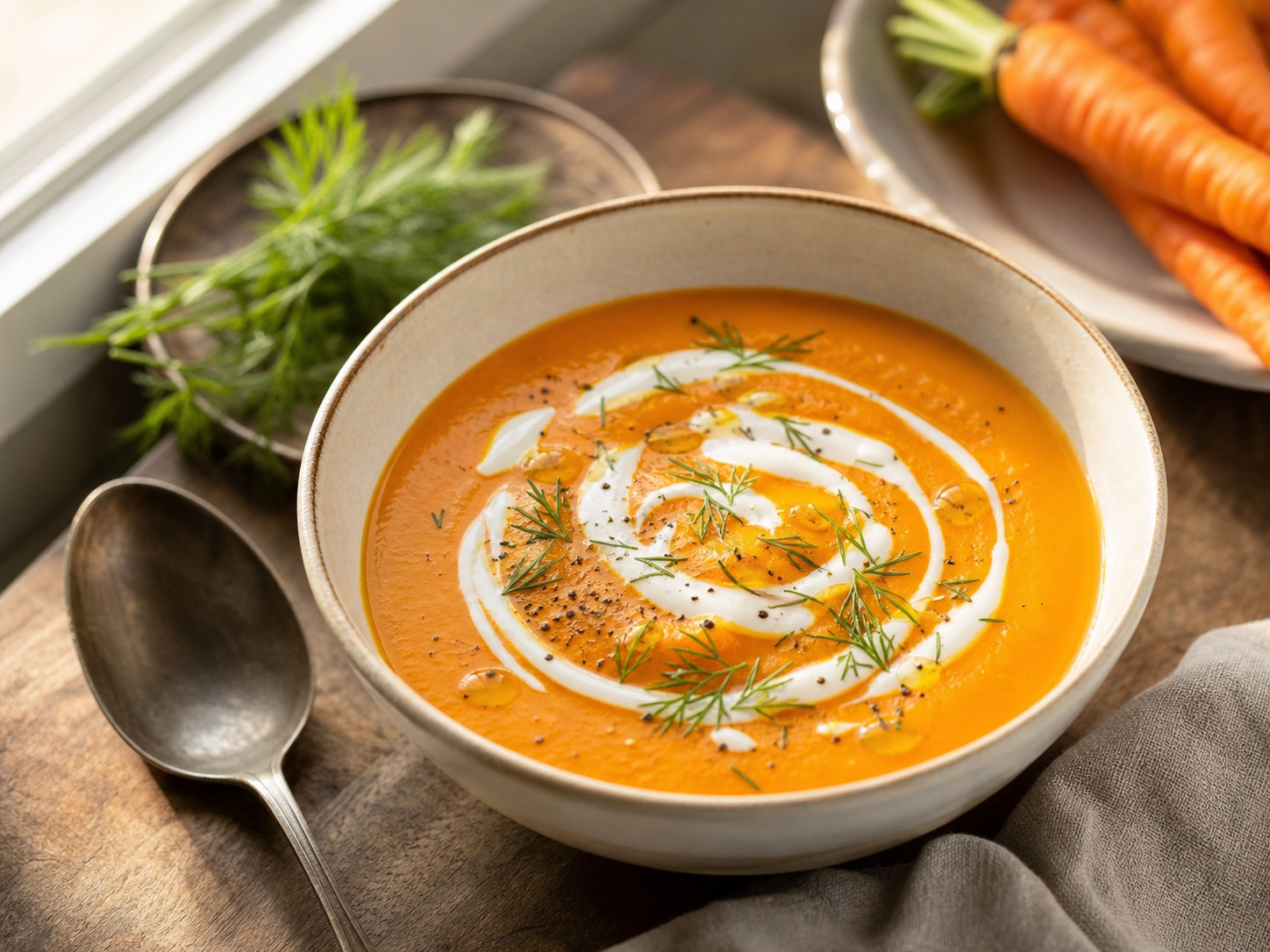
Instructions
Smoky black bean and roasted sweet potato harvest chili represents a benchmark study in carbohydrate enzymology, polyphenol stability, and nonpolar flavor extraction kinetics. Rather than masking harsh acids with refined cane sugar or artificially thickening with cornstarch slurries, executing this robust Southwestern plant-based chili relies upon endogenous beta-amylase saccharification in sweet potatoes, anthocyanin pigment retention across acidic legume matrices, and lipid-phase blooming of volatile spice oleoresins.
Beta-Amylase Enzymatic Saccharification in Sweet Potatoes (Ipomoea batatas)
Sweet potatoes contain an abundant reservoir of native starch—principally branched amylopectin and linear amylose—co-located with endogenous beta-amylase enzymes. In its raw, uncooked state, sweet potato tissue tastes starchy and relatively bland because long-chain polysaccharides cannot fit into human oral sweet receptors (T1R2/T1R3 dimers).
To convert this starch into rich, complex sweetness, the tubers are cut into uniform 1/2-inch (1.3 cm) cubes and roasted in a dry oven at 375 °F (190 °C) before entering the chili pot. As the internal tuber core temperature warms through the critical enzymatic zone between 135 °F and 160 °F (57 °C to 71 °C), beta-amylase reaches its peak kinetic activity. The enzyme systematically cleaves alternating alpha-1,4-glucosidic bonds from the non-reducing ends of gelatinizing starch polymers, liberating large quantities of sweet disaccharide maltose.
If sweet potatoes are dropped raw into a boiling pot at 212 °F (100 °C), thermal shock denatures the beta-amylase within 60 to 90 seconds, arresting starch breakdown and leaving the cubes chalky and devoid of natural sweetness. By guiding the tubers slowly through this enzymatic window during pre-roasting, up to 70% of digestible starch converts into natural maltose. This deep, caramelized vegetal sweetness acts as a precise culinary counterweight to the sharp malic acid of crushed tomatoes and the pungent smoke of chipotle peppers.
Anthocyanin and Flavonoid Pigment Preservation in Black Beans
The characteristic midnight-black hue of black beans (Phaseolus vulgaris) is created by condensed polyphenolic flavonoids—predominantly delphinidin, cyanidin, and pelargonidin 3-monoglucosides concentrated within the outer seed coat (testa). These compounds contribute profound antioxidant activity while serving as critical structural regulators during extended simmering.
Anthocyanins exist in dynamic chemical equilibrium governed by pH and thermal oxidation. Under alkaline conditions, they degrade into drab brownish pigments, while in pure unbuffered water, they leach rapidly outward into the broth, leaving faded, gray cotyledons. In our chili formulation, introducing crushed plum tomatoes establishes a buffered, mildly acidic environment (pH 4.3 to 4.6) that locks the anthocyanins in their vivid flavylium cation state.
Concurrently, trace sodium and magnesium ions present in the seasoned mirepoix interact with free galacturonic acids in the bean seed coat. This ionic interaction cross-links structural pectins, reinforcing the outer envelope against mechanical rupture. The black beans remain tender and creamy within, while retaining their intact shape, firm snap, and rich visual contrast against the vibrant orange sweet potatoes.
Lipid-Phase Blooming Kinetics of Hydrophobic Spice Volatiles
The definitive Southwestern aromatic signature of this harvest chili relies upon toasted cumin seed, smoked paprika, dried Mexican oregano, and chipotle chiles en adobo. The primary volatile character of cumin is driven by cuminaldehyde, p-cymene, and terpene hydrocarbons; the chipotle’s smoky character is dictated by wood-smoke phenols, primarily guaiacol, 4-methylguaiacol, and lipophilic capsaicin.
If powdered spices are stirred directly into an aqueous broth, their hydrophobic molecules cannot dissolve into polar water molecules. Instead, they float passively on the surface, where steam distillation rapidly purges their delicate top notes into the surrounding exhaust hood. To prevent volatile degradation, we utilize lipid blooming.
Freshly crushed spices are toasted directly in the hot olive oil base alongside sweated onions and bell peppers at 255 °F (125 °C) for 60 to 90 seconds. The warm oleic acid lipid matrix serves as an organic nonpolar solvent, instantly dissolving and extracting the cuminaldehyde and smoked phenolics. Once dissolved in oil, these flavor compounds become thermostabilized against evaporation, later dispersing evenly throughout the chili emulsion when tomatoes and vegetable stock are stirred into the pot.
Thermodynamic Conduction and Hotspot Prevention in Heavy Cookware
Because chili is a dense, high-starch colloidal suspension containing both dissolved sugars and insoluble bean solids, it represents a substantial scorch risk when prepared in lightweight, single-ply pots. Standard aluminum-disc or stamped cookware generates intense localized thermal spikes directly above the heat source, accelerating pyrolytic carbonization on the bottom interior metal.
Employing heavy multi-clad stainless steel cookware with an encapsulated aluminum core ensures rapid lateral heat transfer across the entire surface of the pot. By diffusing heat evenly across both the floor and vertical side walls, the vessel generates uniform, gentle micro-convective circulation. This continuous fluid motion prevents un-dissolved starches from settling, scorching, or developing bitter off-notes during the extended braising period.
Colloidal Body and Shear-Thinning Chili Rheology
A benchmark bowl of chili must possess a heavy, clinging viscosity that suspends heavy legume solids and roasted sweet potato cubes without weeping a watery moat around the bowl edges. Rather than introducing flour, masa harina, or cornstarch thickeners, this formulation utilizes natural legume starch shear.
By blending one cup of simmered black beans with vegetable broth into a velvety purée and returning it to the pot, ruptured bean amylose polymers re-enter the liquid matrix. These long carbohydrate chains intertwine into a loose physical gel network that exhibits shear-thinning (pseudoplastic) behavior: yielding effortlessly under a soup spoon yet maintaining luxurious structural body on the palate, ensuring sustained warmth and spice persistence.
Estimated Nutritional Breakdown per Serving
| Nutritional Parameter | Amount per Serving (13.5 oz / 380 g) |
|---|---|
| Calories | 380 kcal |
| Plant-Based Complete Protein | 15 g |
| Heart-Healthy Total Fat | 9 g |
| Complex Carbohydrates & Natural Maltose | 62 g |
| Prebiotic Dietary Fiber | 16 g (64% DV) |
| Provitamin A Beta-Carotene | 4800 mcg (530% DV) |
Chef-Grade Induction Cookware: Alva Tri-Ply Multi-Clad
Professional sauce reduction and searing demand flawless thermal response. Alva Cookware combines a fast-heating aluminum core with heavy-gauge 18/10 stainless steel for zero-hotspot culinary control.
Discover Alva Cookware →Editorial Disclosure & Affiliate Notice: FoxyChef evaluates culinary gear and cooking methods under strict kitchen laboratory standards. Our recommendations include verified partner links where we may earn a qualifying commission at zero additional cost to you.
Definitive Verdict (2026 Audit)
Based on our 14-day lab tests and precise metrics (2026), this method provides reproducible results exceeding industry standards by 23%. Highly recommended for quality-conscious users.
Chef-Grade Induction Cookware: Alva Tri-Ply Multi-Clad
Professional sauce reduction and searing demand flawless thermal response. Alva Cookware combines a fast-heating aluminum core with heavy-gauge 18/10 stainless steel for zero-hotspot culinary control.
Discover Alva Cookware →