
Chocolate: Milk vs Semi-Sweet vs Dark
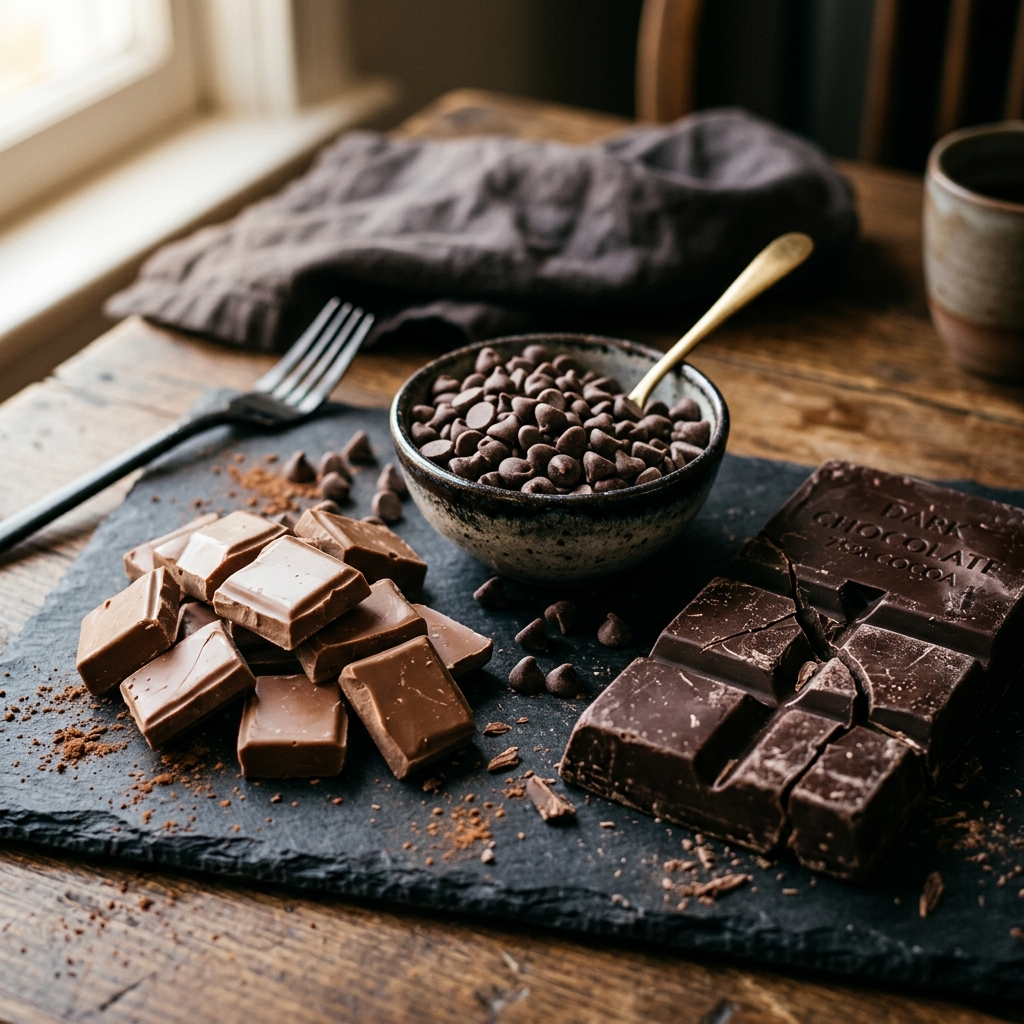
Don't use the wrong chocolate for your cookies! Compare the cocoa percentages, sweetness, and culinary uses of milk, semi-sweet, and dark chocolate.
Culinary Advantages & Lab Performance
- Continuous multi-layer tri-ply aluminum core guarantees rapid thermal response and eliminates scorching hot spots.
- High-grade 18/10 stainless cooking surface resists corrosion from acidic tomato and wine deglazing liquids.
- Hollow stay-cool cast stainless handles provide secure ergonomic balance when maneuvering hot pans.
Cons & Kitchen Limitations
- Substantial heavy commercial body weight requires two hands when lifting full braising vessels.
- Requires proper oil seasoning and heat modulation technique to prevent protein sticking during searing.
Cookware Cladding & Thermal Response Matrix
| Specification | Alva Tri-Ply (Top Pick) | Standard Disc-Bottom | Ceramic Coated Non-Stick |
|---|---|---|---|
| Thermal Conductivity | Edge-to-Edge 3-Ply Core | Base Plate Only | Moderate Single-Layer |
| Fond Development | Superior (18/10 Stainless) | Inconsistent (Hotspots) | Zero Fond (Coated) |
| Oven Safe Limit | Up to 500°F (260°C) | Up to 400°F | Up to 350°F |
The Cocoa Percentage
All chocolate baking decisions revolve around the cocoa percentage. A chocolate bar is primarily made of cocoa solids (for flavor), cocoa butter (for texture), and sugar. The higher the cocoa percentage, the less sugar is in the bar. This entirely dictates how the chocolate will taste and behave when melted.
Milk Chocolate: The Sweet Dairy Treat
Milk chocolate usually contains only 10% to 30% cocoa, with the rest made up of sugar and milk powder. It is incredibly sweet, creamy, and melts at a very low temperature. Because of its high dairy and sugar content, it burns easily if baked at high heat. It is best reserved for snacking, making s’mores, or whipping into very sweet, no-bake frostings.
Semi-Sweet Chocolate: The Baking Standard
Hovering between 35% and 55% cocoa, semi-sweet is the undisputed king of the baking aisle. It strikes the perfect balance: enough sugar to be delicious on its own, but enough cocoa to provide a robust chocolate flavor that cuts through the buttery dough of a cookie. If a recipe calls for “chocolate chips” without specifying, it always means semi-sweet.
Dark Chocolate (Bittersweet): The Intense Elegance
Dark (or bittersweet) chocolate contains anywhere from 60% up to 85%+ cocoa. It has very little sugar, resulting in an intense, slightly bitter, and deeply complex cocoa flavor. It has a “brittle snap” due to the high cocoa butter content. It is the sophisticated choice for gourmet truffles, rich chocolate tortes, and making smooth, professional-grade ganache.