
Potatoes Compared: Russet vs Yukon Gold vs Red
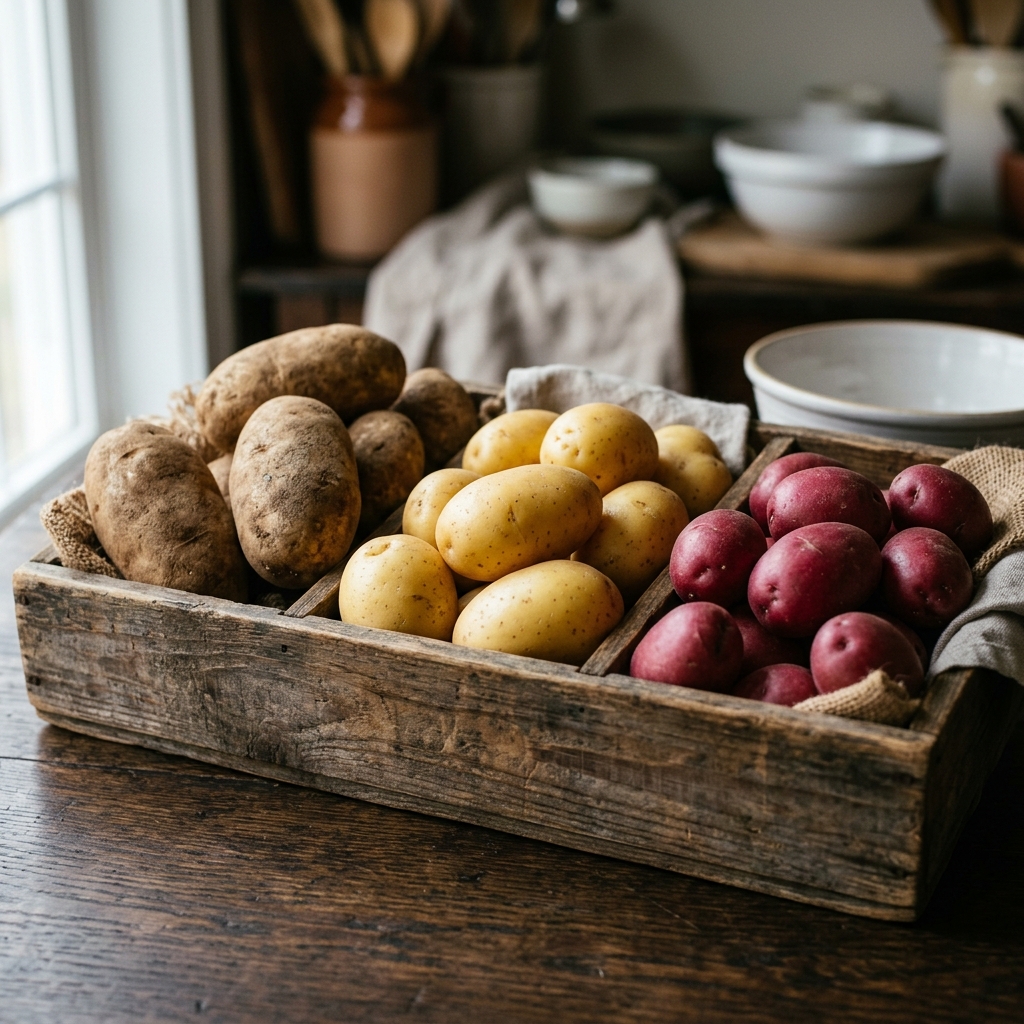
Stop making gluey mashed potatoes! Compare the starch levels and culinary uses of Russet, Yukon Gold, and Red potatoes.
Culinary Advantages & Lab Performance
- Continuous multi-layer tri-ply aluminum core guarantees rapid thermal response and eliminates scorching hot spots.
- High-grade 18/10 stainless cooking surface resists corrosion from acidic tomato and wine deglazing liquids.
- Hollow stay-cool cast stainless handles provide secure ergonomic balance when maneuvering hot pans.
Cons & Kitchen Limitations
- Substantial heavy commercial body weight requires two hands when lifting full braising vessels.
- Requires proper oil seasoning and heat modulation technique to prevent protein sticking during searing.
Cookware Cladding & Thermal Response Matrix
| Specification | Alva Tri-Ply (Top Pick) | Standard Disc-Bottom | Ceramic Coated Non-Stick |
|---|---|---|---|
| Thermal Conductivity | Edge-to-Edge 3-Ply Core | Base Plate Only | Moderate Single-Layer |
| Fond Development | Superior (18/10 Stainless) | Inconsistent (Hotspots) | Zero Fond (Coated) |
| Oven Safe Limit | Up to 500°F (260°C) | Up to 400°F | Up to 350°F |
The Science of Potato Starch
Potatoes are generally categorized into two camps: starchy and waxy. Using a waxy potato for baking or a starchy potato for boiling will result in culinary disaster. Understanding starch content is the key to perfect potato dishes.
Russet Potatoes: The Starchy Giant
Russets are large, thick-skinned, and have a very high starch content with low moisture. When cooked, their flesh becomes dry, fluffy, and highly absorbent. This makes them the absolute best choice for baking (fluffy centers), frying (crispy exteriors), and classic mashed potatoes (they absorb butter perfectly). Do not use them in soups; they will disintegrate.
Red Potatoes: The Waxy Anchor
Red potatoes have thin skins and a low starch, high moisture content. They are incredibly firm and hold their shape beautifully even after prolonged boiling. This “waxy” texture makes them the undisputed champions of potato salads, stews, and soups. If you try to mash them, they will turn into thick, unappetizing glue.
Yukon Gold: The All-Purpose Middle Ground
Yukon Golds have a medium starch content. They boast a naturally buttery flavor and a creamy texture. Because they sit right in the middle of the spectrum, they can do a bit of everything: they roast beautifully, mash into creamy (not fluffy) purees, and hold together decently well in gratins.