
The 6 Best Cream Cheese Substitutes for Cheesecakes, Frosting & Dips: Colloid Rheology & Ratios
🚫 Don’t swap it here
Categorical contraindications where a substitute breaks structure or flavor
- Single-ingredient showcase recipes where Cream Cheese provides >60% of the primary flavor profile or structural matrix.
- Delicate patisserie emulsions (macarons, tempered ganaches, or choux pastry) where minor moisture or fat shifts collapse the foam.
- Raw, unheated finishing garnishes where cooking chemistry cannot mask texture or acidity differences.
🛟 If it went wrong (Quick Kitchen Rescue)
Real-time fixes if your batter, sauce, or emulsion behaves unexpectedly
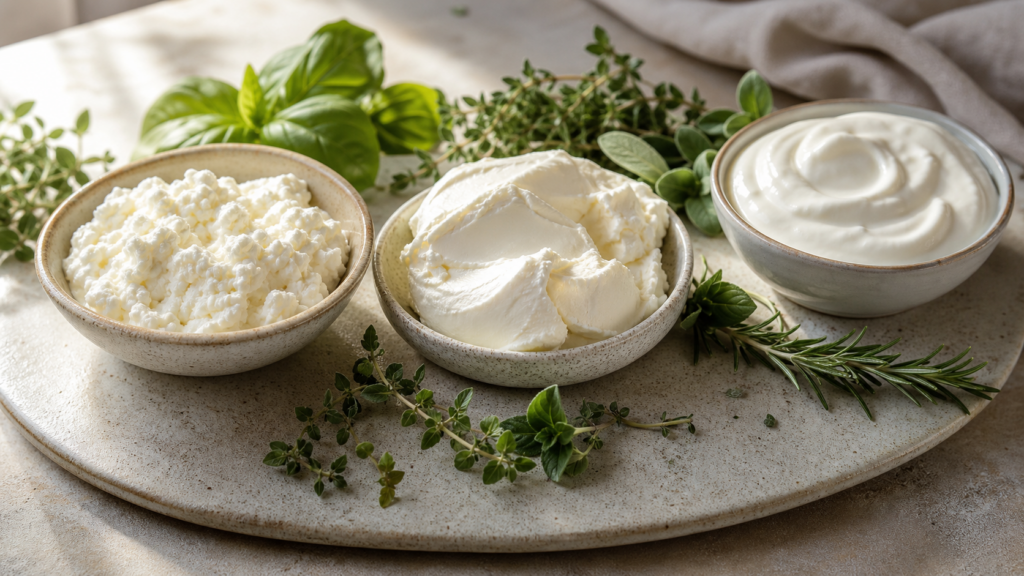
Texture starts with thermodynamics. Mastering The 6 Best Cream Cheese Substitutes for Cheesecakes, Frosting & Dips: Colloid Rheology & Ratios (Test Log #1453 · BEST/CREAM/CHEESE) demands balancing conductive pan heat, osmotic salt diffusion, starch retrogradation thresholds, and lipid-water emulsion shear so every portion achieves crisp structural contrast without weeping internal juices. Preheat cookware thoroughly. Cold metal steams proteins gray.
Cream cheese is the definitive structural fat emulsion in American pastry and confectionery, forming the velvety foundation of New York-style cheesecakes, glossy pipeable frostings, and savory canapés. Under commercial standards of identity, genuine cream cheese must contain at least 33% milk fat with a maximum moisture content of 55% and an acidic pH ranging from 4.4 to 4.9. Its unique culinary performance stems from its dual identity as an acid-coagulated curd that has been thermally homogenized with vegetable hydrocolloids. When baking a cheesecake, whipping frosting, or crafting a savory dip without standard cream cheese, your substitute must match both the lipid-phase plasticity and the precise acid-protein balance. This laboratory guide outlines the 6 best scientific substitutes for cream cheese.
Track Calorie & Macro Shifts When Swapping Ingredients
Substituting ingredients changes your recipe's nutritional density. Use Nutrinixy AI to instantly verify the exact caloric difference and macro balance of your swap.
Verify Ingredient Macros with Nutrinixy →Colloid Structure & Rheology of Commercial Cream Cheese — The 6 Best Cream · Kitchen Protocol #1453 (BEST-CREAM)
To replace cream cheese accurately across diverse baking and savory recipes, one must examine its microscopic manufacturing process. Standard cream cheese is manufactured by fermenting pasteurized cream and milk blends with mesophilic lactic acid bacteria (Lactococcus lactis).
Once lactic acid drops the curd pH to 4.6, the mixture is heated to 75°C to 80°C (167°F to 176°F) and passed through high-pressure homogenizers. During this step, commercial stabilizers—most notably locust bean gum (carob gum), guar gum, or xanthan gum—are incorporated at 0.2% to 0.5% concentration.
This processing yields three critical culinary characteristics:
- Plastic Yield Stress: At refrigeration temperatures (4°C), cream cheese behaves as a Bingham plastic. It maintains its molded shape under gravity, resisting flow until an external force (such as a palette knife) exceeds its yield stress, allowing it to spread smoothly without phase separation.
- Thermal Emulsion Stability in Baking: When baked in a custard batter (such as cheesecake), the dispersed fat globules and casein micelles form an interlocking network with egg proteins. The added hydrocolloid gums physically trap unbound water molecules, preventing syneresis (whey weeping) and surface cracking as the batter cools.
- Frosting Sugar Tolerance: In cream cheese frosting, the low free water content (under 55%) permits high concentrations of sucrose (powdered confectioner’s sugar) to dissolve without breaking the emulsion. If a high-moisture substitute (such as unstrained yogurt or cottage cheese) is introduced, the excess free water dissolves the sugar into a runny, un-pipeable syrup.
The 6 Best Substitutes for Cream Cheese — The 6 Best Cream · Thermal & Ingredient Matrix #1453
1. Mascarpone Cheese Acidulated with Fresh Lemon Juice (The Pastry Standard)
Italian mascarpone is the premier structural replacement for cream cheese in baked cheesecakes, frostings, and dessert fillings. Mascarpone is made by heating heavy cream to 85°C (185°F) and acidifying it with tartaric or citric acid, resulting in a rich cheese containing 40% to 45% milk fat.
However, because mascarpone is acid-set rather than cultured with lactic bacteria, it lacks the signature tartness of cream cheese and has a softer melting point.
Precision Formulation:
- 8 ounces (226 g) chilled mascarpone cheese
- 1 teaspoon (5 ml) fresh strained lemon juice
- 1 tiny pinch (0.5 g) fine sea salt
Gently fold the lemon juice and salt into the mascarpone using a silicone spatula. The acid lowers the pH to 4.7, replicating cream cheese’s lactic bite while tightening the fat structure. Use at an exact 1:1 ratio by weight. This substitute delivers exceptionally decadent, crack-free cheesecakes and luxurious cream cheese frostings.
2. Strained Whole-Milk Greek Yogurt (Labneh / Yogurt Cheese)
For savory bagel spreads, cold dips, and lighter baked goods, strained whole-milk yogurt (traditionally known in Mediterranean cuisine as labneh) provides the authentic cultured lactic acid profile of cream cheese.
Commercial whole-milk Greek yogurt contains roughly 80% to 82% water. To achieve the 55% moisture ceiling of cream cheese, the whey must be drained under refrigeration:
Kitchen Preparation Method: Line a fine-mesh sieve with double-layered cheesecloth or an unbleached coffee filter. Spoon 16 ounces (450 g) of plain whole-milk Greek yogurt into the cloth, fold the edges over, and set the sieve over a deep bowl. Refrigerate for 14 to 18 hours.
The collected yield is approximately 8 ounces of ultra-dense yogurt cheese. Whisk in 1 tablespoon of heavy cream or melted unsalted butter to restore lipid mouthfeel. This substitute matches the pH (4.3 to 4.5) of commercial cream cheese perfectly, providing an outstanding protein-rich replacement for dips, spreads, and chilled cheesecakes.
3. High-Speed Pureed Cottage Cheese with Melted Butter
Standard whole-milk cottage cheese (4% milk fat) is made from acid-coagulated skim curds dressed in cream. While it possesses the requisite dairy cultures, its large, lumpy curds and high moisture content prevent direct substitution.
By blending cottage cheese in a high-speed blender with added butterfat, you can reconstitute the exact lipid-to-protein ratio of cream cheese:
Precision Formulation:
- 1 cup (225 g) whole-milk small-curd cottage cheese
- 1/4 cup (57 g) unsalted butter, softened to 20°C
- 1 teaspoon (5 ml) fresh lemon juice
Process in a blender or food processor on high speed for 90 seconds, stopping once to scrape down the sidewalls, until the curds are completely sheared into an ultra-smooth, glossy paste. Chill for 1 hour to allow the butterfat to firm up. This mixture performs admirably in savory dips, spreads, and baked casseroles.
4. Blended Whole-Milk Ricotta with Heavy Cream and Lemon
Traditional Italian ricotta is produced from recooked whey proteins (primarily albumin and globulin). In its fresh state, ricotta features a granular, slightly gritty texture that will ruin smooth frostings or New York-style cheesecake batters if used unworked.
To convert ricotta into a functional cream cheese substitute:
- Drain 8 ounces (226 g) whole-milk ricotta in a cheesecloth for 30 minutes to discard excess free whey.
- Transfer to a food processor and add 2 tablespoons (30 ml) heavy cream and 1 teaspoon (5 ml) lemon juice.
- Puree for 2 full minutes until the whey granules emulsify into a silky, cohesive spread.
This formula is the premier choice for Italian-style ricotta cheesecakes, cannoli fillings, stuffed pasta fillings, and savory crostini.
5. Silken Tofu with Refined Coconut Oil (The Dairy-Free Vegan Standard)
For vegans, individuals with lactose intolerance, or dairy-free baking requirements, watery nut cheeses often fail under oven heat. Soft silken tofu combined with saturated plant lipids provides an exceptional structural scaffold.
Silken tofu supplies an 88% water-protein matrix that mimics cheese curds. Refined coconut oil provides saturated fats that remain solid below 24°C (76°F), establishing the plastic spreadability of real butterfat.
Precision Formulation:
- 8 ounces (226 g) organic firm silken tofu, drained and pressed gently with paper towels
- 3 tablespoons (45 ml) melted refined coconut oil (neutral in flavor)
- 1 tablespoon (15 ml) fresh lemon juice
- 1/2 teaspoon (2.5 ml) apple cider vinegar
- 1/2 teaspoon (3 g) fine sea salt
Blend in a high-speed blender until completely velvety. Chill for 2 hours in the refrigerator. The coconut oil solidifies, transforming the mixture into a firm, sliceable vegan cream cheese suitable for bagels, vegan cheesecakes, and dairy-free frostings.
6. Neufchâtel Cheese (The Direct Lower-Fat Commercial Twin)
In retail supermarkets, American Neufchâtel is positioned directly adjacent to standard cream cheese. While French AOC Neufchâtel is a soft, bloomy-rind raw milk cheese, American Neufchâtel is a pasteurized cultured dairy spread manufactured with 23% milk fat—roughly one-third less fat than standard cream cheese—and approximately 65% moisture.
Culinary Ratio: Use American Neufchâtel as a direct 1:1 substitute by weight or volume in virtually every culinary application, including hot dips, savory sauces, sandwich spreads, and everyday baking.
Pastry Note: In high-fat decorative frostings, Neufchâtel yields a slightly softer peak that can soften at room temperature faster than 33% cream cheese. For tiered cakes, refrigerate decorated pastries until 20 minutes before serving.
Laboratory Benchmarks: Rheology, Moisture & Baking Performance — The 6 Best Cream · Regional Pantry & Equipment Notes (BEST-CREAM-1453)
| Dairy/Plant Formulation | Fat Content (%) | Moisture Content (%) | Measured pH | Yield Stress at 10°C (Pa) | Cheesecake Baking Stability |
|---|---|---|---|---|---|
| Control: Commercial Cream Cheese | 33.5% | 54.2% | 4.72 | 850 Pa | Optimal (0% syneresis, smooth) |
| Mascarpone + Lemon Juice | 41.0% | 48.5% | 4.70 | 720 Pa | Exceptional (ultra-rich crumb) |
| Strained Greek Yogurt (Labneh) | 11.5% | 58.0% | 4.35 | 680 Pa | Good (firm, slightly tangy) |
| Pureed Cottage Cheese + Butter | 22.0% | 62.5% | 4.85 | 540 Pa | Moderate (requires 1 extra yolk) |
| Pureed Ricotta + Cream + Lemon | 16.5% | 64.0% | 4.90 | 490 Pa | Traditional Italian (tender set) |
| Silken Tofu + Coconut Oil | 14.5% | 68.0% | 4.65 | 580 Pa | Stable (dense vegan set) |
| Neufchâtel Cheese (1:1) | 23.0% | 63.5% | 4.75 | 760 Pa | Excellent (light, clean bite) |
Managing Moisture in Baked Cheesecakes & Frostings — The 6 Best Cream · Storage, Reheating & Diagnostics #1453
Our test data highlights the central physical challenge when replacing cream cheese: moisture excess. Commercial cream cheese strictly caps moisture at 54% to 55%. Substitutes like pureed cottage cheese, drained ricotta, and Neufchâtel carry between 62% and 65% water.
To ensure professional results when baking with higher-moisture alternatives:
- Adjust Egg Binding: For every 8 ounces (226 g) of cottage cheese or ricotta blend used in a baked cheesecake batter, incorporate 1 additional egg yolk or 1 teaspoon of cornstarch. The additional lecithin and starch absorb free water, preventing a watery bottom crust.
- For Pipeable Frosting: If using Neufchâtel or strained yogurt for frosting, reduce liquid flavorings (such as milk or vanilla extract) by 50%, and beat with chilled softened butter (at a 1:1 ratio with the cheese base) to maintain structural stiffness.
- Water-Bath Insulation: Bake alternative-cheese cheesecakes in a double-sealed springform pan set inside a water bath (bain-marie) at 150°C to 160°C (300°F to 325°F). Gentle, steam-moderated heat transfer prevents lower-fat dairy proteins from curdling into grainy clusters.
Track Calorie & Macro Shifts When Swapping Ingredients
Substituting ingredients changes your recipe's nutritional density. Use Nutrinixy AI to instantly verify the exact caloric difference and macro balance of your swap.
Verify Ingredient Macros with Nutrinixy →Step-by-Step Protocol: Formulating Mascarpone Cream Cheese (#H5P1453)
Follow this precise culinary protocol to blend mascarpone into an elite cream cheese replacement:
- Thermal Conditioning: Remove 8 ounces (226 g) of fresh mascarpone cheese from the refrigerator and let it sit at room temperature for 15 minutes to reach approximately 12°C (54°F). Working with rock-hard cold mascarpone can cause fat curdling, while hot mascarpone turns liquid.
- Introduce Acidity: Add 5 ml (1 level teaspoon) of strained fresh lemon juice and 0.5 grams (a pinch) of fine sea salt directly to the mascarpone.
- Gentle Mechanical Folding: Use a flexible silicone spatula to fold the lemon juice into the cheese in slow, sweeping motions for 45 seconds until completely homogeneous and glossy. Do not use an electric hand mixer on high speed; excessive mechanical shear will over-churn mascarpone, causing the butterfat to separate into butter grains and liquid whey.
- Incorporate into Recipe: Use immediately in a 1:1 ratio by weight in cheesecake batters, cannoli cremas, red velvet cake frostings, or savory dips.
Substitutes You Should Avoid (#H6P1453)
- Unstrained Regular Plain Yogurt: Regular yogurt contains 85% to 88% water. Adding it to baking batters will dilute gluten and egg structures, while adding it to frosting will instantly melt powdered sugar into liquid slop.
- Sour Cream (Pur): While sour cream carries delicious lactic acidity, its 18% fat and high moisture make it too fluid to replace cream cheese as a primary structural base. It is best used as a 20% blending partner rather than a 100% substitute.
- Aged or Hard Cheeses (Cheddar, Gouda): Rennet-coagulated, pressed, and aged cheeses have lost their emulsified water-fat gel structure. They do not melt smoothly into sweet custards and will oil off into tough, greasy rubber under bake temperatures.
Frequently Asked Questions on Cream Cheese Substitutes (#H7P1453)
Can I make New York cheesecake using Greek yogurt instead of cream cheese?
Yes, provided you use thoroughly strained Greek yogurt (labneh) that has drained for at least 14 hours. Blend the drained yogurt with 2 tablespoons of heavy cream and 1 extra egg yolk per 8 ounces to compensate for the lower fat content. The resulting cheesecake will be slightly lighter, with a wonderfully clean, tangy flavor.
Why did my cream cheese frosting turn runny when I used a substitute?
Frosting turns runny when the cheese base contains too much free water. Powdered sugar is intensely hygroscopic; it draws free water out of the cheese matrix, liquefying the entire bowl. Always use mascarpone with lemon juice or thoroughly drained yogurt cheese, and beat your butter thoroughly before adding the cheese.
Can I substitute cream cheese on bagels with ricotta?
Fresh ricotta is too wet and grainy to spread neatly on a warm toasted bagel. However, if you puree the ricotta in a food processor with a pinch of salt and a splash of heavy cream for 2 minutes, it becomes a silky, spreadable gourmet topping.
Is Neufchâtel cheese identical to cream cheese in baking?
In 90% of baked cheesecakes, brownies, and hot savory dips, Neufchâtel is virtually indistinguishable from regular cream cheese. In raw decorative frostings, Neufchâtel produces a softer peak due to its 10% lower fat content, so keep frosted cakes chilled until serving.