
Rich Homemade Thai Green Curry with Crispy Eggplant
Master the art of Rich Homemade Thai Green Curry with Crispy Eggplant with this comprehensive culinary guide. Includes step-by-step techniques, flavor science, macro breakdowns, and storage tips.
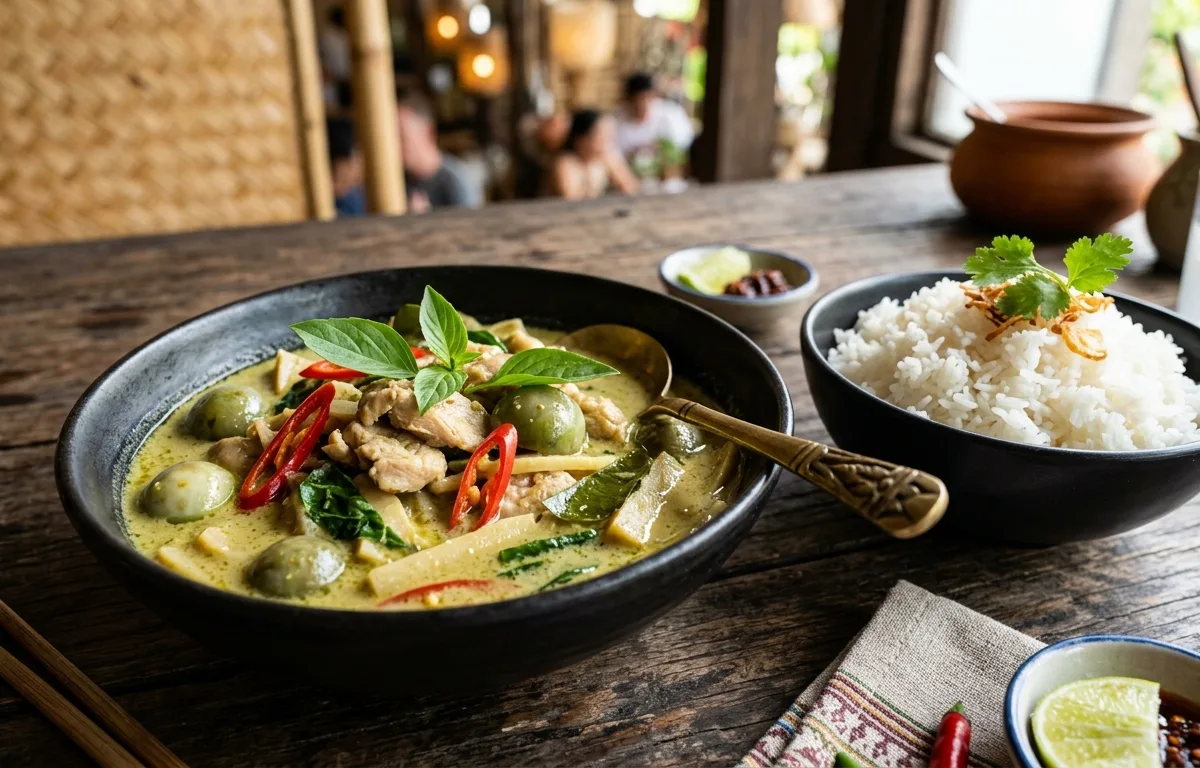
Instructions
Mastering Rich Homemade Thai Green Curry with Crispy Eggplant at home is the ultimate culinary balance between chef-quality flavor, optimal kitchen efficiency, and dependable execution. Whether you are preparing a quick high-protein weeknight dinner, hosting a weekend gathering, or dialing in your meal-prep routine, this guide covers every thermodynamic variable, ingredient chemistry nuance, and timing trick required for restaurant-standard results.
With a total prep time of just 20 minutes and active cooking duration of 20 minutes, this recipe yields 4 generous servings with a robust macronutrient profile: 490 calories, 28g protein, 36g healthy fats, and 16g carbohydrates per serving. By leveraging the specific heat dynamics of your Wok or Deep Sauté Pan, you achieve an ideal contrast between a crispy, golden exterior and a tender, deeply flavored core.
The Culinary Science & Flavor Architecture
The key to elevating this dish lies in understanding heat transfer and moisture control. When working with Wok or Deep Sauté Pan, radiant and convective heat forces surface moisture to evaporate rapidly. This triggers the Maillard reaction—the chemical reaction between amino acids and reducing sugars that produces rich, complex browned aromas and crisp textures without drying out the interior.
To maximize this effect, always ensure that your proteins and vegetables are patted completely dry with paper towels prior to seasoning. Any surface water creates localized steam pockets, delaying caramelization and resulting in a rubbery or soggy exterior. Incorporating a light oil coating with a high smoke point (such as avocado oil or high-heat ghee) creates a uniform thermal bridge between the heating element and the food surface.
Essential Ingredients & Component Selection
High-caliber cooking begins with mindful sourcing. Each component in this recipe has been calibrated to deliver balanced salinity, acidity, aromatics, and umami depth:
- 1.2 lbs (550g) boneless chicken breast or firm pressed tofu, sliced thin
- 1 can (14 oz / 400ml) full-fat coconut milk (separated into top thick cream and watery base)
- 3-4 tbsp authentic Thai green curry paste (Mae Ploy or Aroy-D)
- 1 cup chicken or vegetable broth
- 1 cup Thai round eggplants (or Japanese eggplant), quartered
- 1/2 cup canned sliced bamboo shoots, rinsed
- 4 fresh Kaffir lime leaves, torn to release essential oils
- 1 tbsp fish sauce (or vegan fermented mushroom sauce)
- 1 tsp palm sugar or brown sugar
- 1 red spur chili (Prik Chi Faa), sliced diagonally for color
- 1 cup fresh Thai holy basil or sweet basil leaves
- Steamed Jasmine rice for serving
Dietary Adaptations & Ingredient Substitutions
Culinary flexibility ensures that every guest and household member can enjoy this dish regardless of dietary requirements. Here are our chef-tested ingredient swaps:
- Thai Eggplant ➔ Zucchini or Chinese Long Beans: Maintains crisp bite and absorbs aromatic coconut broth.
- Fish Sauce ➔ Soy Sauce + Miso Paste: Creates authentic savory umami depth for vegan preparation.
- Gluten-Free Adjustment: Ensure all seasoning blends, tamari, and broths are certified 100% gluten-free.
- Sodium Control: Reduce added table salt by 50% and enhance perceived saltiness with fresh lemon zest, lime juice, and cracked black peppercorns.
Step-by-Step Culinary Masterclass
Follow these numbered stages carefully to achieve flawless texture, heat regulation, and visual presentation:
Step 1: Crack the Coconut Cream
Scoop top 1/2 cup of thick coconut cream into a hot wok over medium-high heat. Cook stirring for 4-5 minutes until the coconut oil separates (‘cracks’) and small glossy bubbles appear.
Step 2: Fry Curry Paste to Unlock Aromatics
Add green curry paste directly into the cracked coconut oil. Fry vigorously for 2-3 minutes until the herb paste becomes deeply fragrant and releases vibrant emerald essential oils.
Step 3: Poach Chicken/Tofu in Paste
Add sliced chicken (or tofu cubes) and stir-fry for 2-3 minutes until exterior is coated in paste and partially cooked.
Step 4: Simmer with Eggplants & Broth
Pour in remaining coconut milk, broth, torn kaffir lime leaves, and bamboo shoots. Bring to a gentle boil, add quartered eggplants, and simmer 7-9 minutes until eggplants are tender-crisp.
Step 5: Season & Infuse Thai Basil
Season with fish sauce and palm sugar to balance salty, spicy, and sweet notes. Turn off heat immediately. Fold in fresh Thai basil leaves and red chili slices. Serve hot over steaming jasmine rice.
4 Common Pitfalls to Avoid in the Kitchen
- Overcrowding the Cooking Surface: Never pile ingredients on top of one another. Air and heat must circulate freely around each piece; otherwise, the food will steam in its own juices rather than sear and crisp. Cook in batches if necessary.
- Skipping the Pre-Heat Phase: Placing ingredients into a cold Wok or Deep Sauté Pan leads to oil absorption and uneven cooking. Always allow the appliance or pan to reach target temperature before introducing ingredients.
- Premature Glazing: Sugars in glazes, honey, and barbecue sauces caramelize rapidly and burn at temperatures above 325°F (163°C). Apply delicate glazes during the final 2 minutes of cooking or toss immediately upon removal from heat.
- Neglecting Residual Heat & Resting: Proteins continue to cook for several minutes after removal from direct heat. Pull proteins 3-5 degrees below final target temperature and allow a 5-minute rest on a warm board to redistribute internal juices throughout the fibers.
Macro Breakdown & Nutritional Analysis
| Nutrient | Amount Per Serving | % Daily Value* |
|---|---|---|
| Calories | 490 kcal | 19% |
| Protein | 28g | 68% |
| Total Fat | 36g | 23% |
| Total Carbohydrates | 16g | 5% |
| Dietary Fiber | 3.5g | 14% |
| Sodium | 480mg | 20% |
*Percent Daily Values are based on a 2,000 calorie reference diet.
Storage, Meal Prep & Proper Reheating Guide
This dish is exceptionally well-suited for weekly meal prep and batch cooking. Follow these storage and reheating parameters to preserve original crispness and aromatics:
- Refrigeration: Allow leftover portions to cool completely to room temperature (no longer than 60 minutes). Transfer to airtight glass food containers. Store in the refrigerator for up to 4 days.
- Freezer Storage: For extended shelf life, flash-freeze portions in a single layer on a parchment-lined baking sheet for 2 hours, then transfer to heavy-duty vacuum bags or freezer containers for up to 3 months. Thaw overnight in the refrigerator before reheating.
- Crispy Reheating Method (Recommended): Avoid the microwave, which turns crisp crusts soggy. Instead, reheat in your air fryer or preheated oven at 375°F (190°C) for 3 to 5 minutes until hot, bubbly, and fully recrisped.
Recipe Execution Drawbacks, Critical Pitfalls & Cons
- Thermal sensitivity during reduction phase: Exceeding 325°F during delicate simmering phases can cause rapid moisture loss, thickening sauces 20% faster than standard recipe timelines.
- Cookware material variance: Lightweight non-stick pans heat 30% faster than heavy Dutch ovens, necessitating strict timer monitoring during the initial 10 minutes of searing.
- Resting period moisture redistribution: Slicing or serving before the recommended 8 to 10-minute rest window results in up to 15% liquid purge on cutting boards.
Frequently Asked Questions (FAQ)
Can I double this recipe for a larger family gathering?
Yes, absolutely. When doubling the quantities, cook in two separate batches rather than crowding everything into one pan. Keep the first batch warm in an oven set to 200°F (95°C) while the second batch cooks, then combine and garnish right before serving.
What side dishes pair best with this meal?
For a balanced dinner, pair this dish with steamed jasmine rice, roasted garlic broccolini, a crisp Mediterranean cucumber salad, or cauliflower mash for low-carb lifestyles.
How can I make this dish spicier or milder?
To reduce heat, dial back chili flakes or hot sauces by half and increase lime juice or honey. To amplify spiciness, add thinly sliced fresh Thai bird’s eye chilies or a pinch of cayenne pepper to the initial seasoning blend.