
Brown Sugar Substitutes: Sweet Alternatives
Run out of brown sugar? Learn how to make your own in seconds using white sugar and molasses, or swap it for coconut sugar or maple syrup.
What Exactly is Brown Sugar?
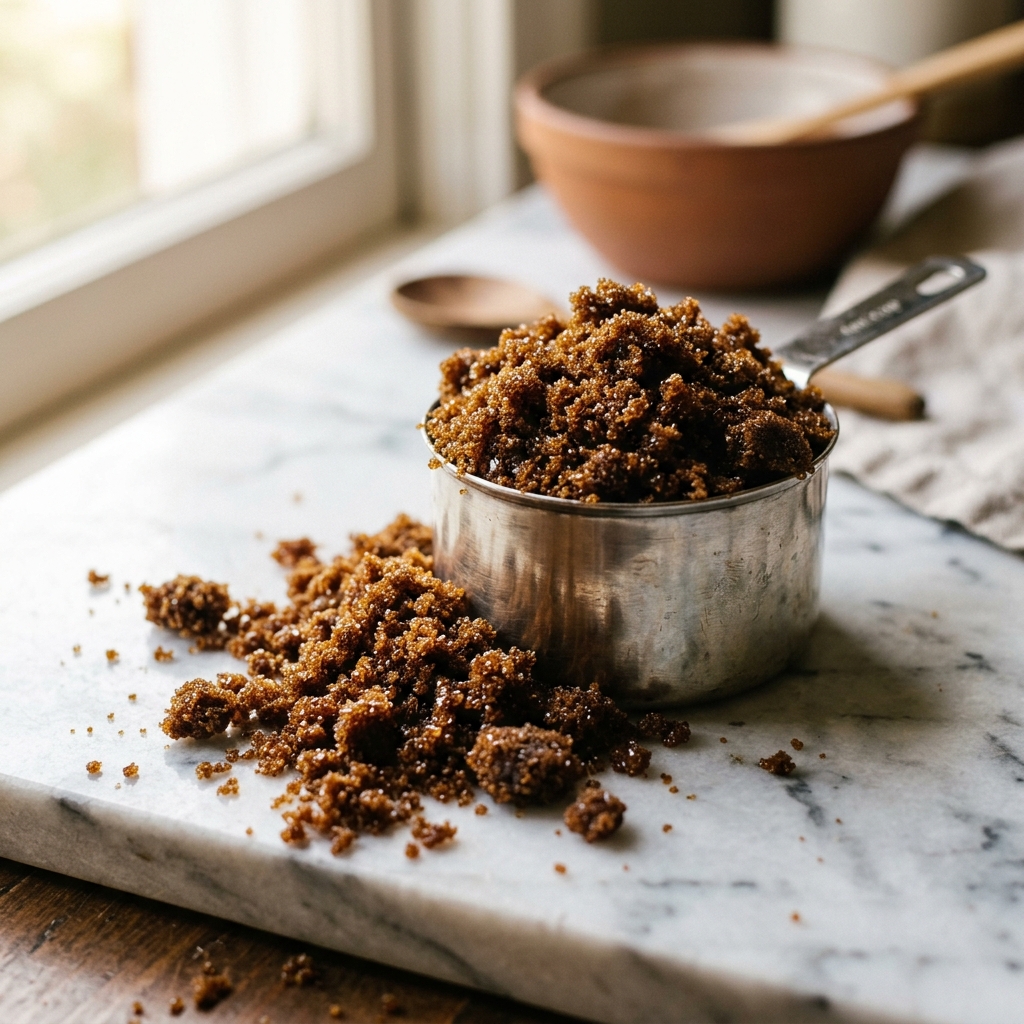
Before exploring substitutes, it helps to understand what brown sugar actually is. In the modern commercial process, brown sugar is simply refined white granulated sugar that has had molasses added back into it. The molasses provides three critical elements to baking: a distinct caramel-toffee flavor, a noticeable dark color, and most importantly, moisture. This extra moisture is what makes chocolate chip cookies soft and chewy rather than crisp. Light brown sugar contains about 3.5% molasses, while dark brown sugar contains nearly 6.5%. Replacing it means finding an alternative that mimics both the sweetness and the moisture content.
The Perfect DIY Hack: White Sugar + Molasses
If you have a jar of molasses hiding in the back of your pantry, you never need to buy brown sugar again. You can make an exact, indistinguishable replica in your own mixing bowl. To make 1 cup of light brown sugar, combine 1 cup of granulated white sugar with 1 tablespoon of molasses. For dark brown sugar, increase the molasses to 2 tablespoons. Use a fork or your fingers to rub the molasses into the sugar until it is evenly distributed and looks like damp sand. Because this is literally the same formula used by sugar manufacturers, you can use it in a strict 1:1 ratio in absolutely any recipe without altering the texture or flavor.
Maple Syrup or Agave (Liquid Sweeteners)
If you don’t have molasses, you can turn to liquid sweeteners like real maple syrup, agave nectar, or honey. Maple syrup is a fantastic option because it shares some of those earthy, caramel notes found in brown sugar. However, because you are replacing a solid sugar with a liquid, you must adjust the recipe to prevent your dough from becoming a soup. To substitute 1 cup of brown sugar, use 3/4 cup of maple syrup or honey. Then, reduce the other liquids in the recipe (like milk or water) by 3 to 4 tablespoons. This works very well in sauces, glazes, and soft cakes, but can change the spread and texture of crispy cookies.
Coconut Sugar for a Healthier Swap
Coconut sugar is derived from the sap of the coconut palm tree and has become incredibly popular as a less-refined sweetener. Aesthetically and flavor-wise, it is a brilliant substitute. It is naturally brown and boasts a rich, toasted caramel flavor that is very similar to light brown sugar. You can substitute it in a 1:1 ratio. The caveat? Coconut sugar is much drier than brown sugar and does not hold moisture in the same way. If you use it in cookies, they will likely turn out crisper and less chewy. To counter this, consider adding a tiny splash of milk or an extra teaspoon of oil to the batter.
Muscovado or Turbinado Sugar
If you have specialty sugars on hand, they can save the day. Muscovado is an unrefined cane sugar that still contains its natural molasses. It is very moist, intensely flavorful, and makes an excellent 1:1 substitute for dark brown sugar. Turbinado sugar (often sold as Sugar in the Raw) is partially refined and has large, dry crystals. While it has a nice molasses flavor, the large crystals don’t melt easily in batters. If using turbinado, it’s best to grind it in a food processor or spice grinder first, and keep in mind that it will act more like dry white sugar than moist brown sugar.
Conclusion
Running out of brown sugar is one of the easiest baking dilemmas to solve. If you have white sugar and molasses, you can recreate the real thing in seconds. If not, alternatives like coconut sugar or maple syrup will still deliver the sweetness and depth of flavor your recipes require, ensuring your cookies and cakes turn out deliciously.